|
|
Two Versions of the Truth
|
 |
|
|
|
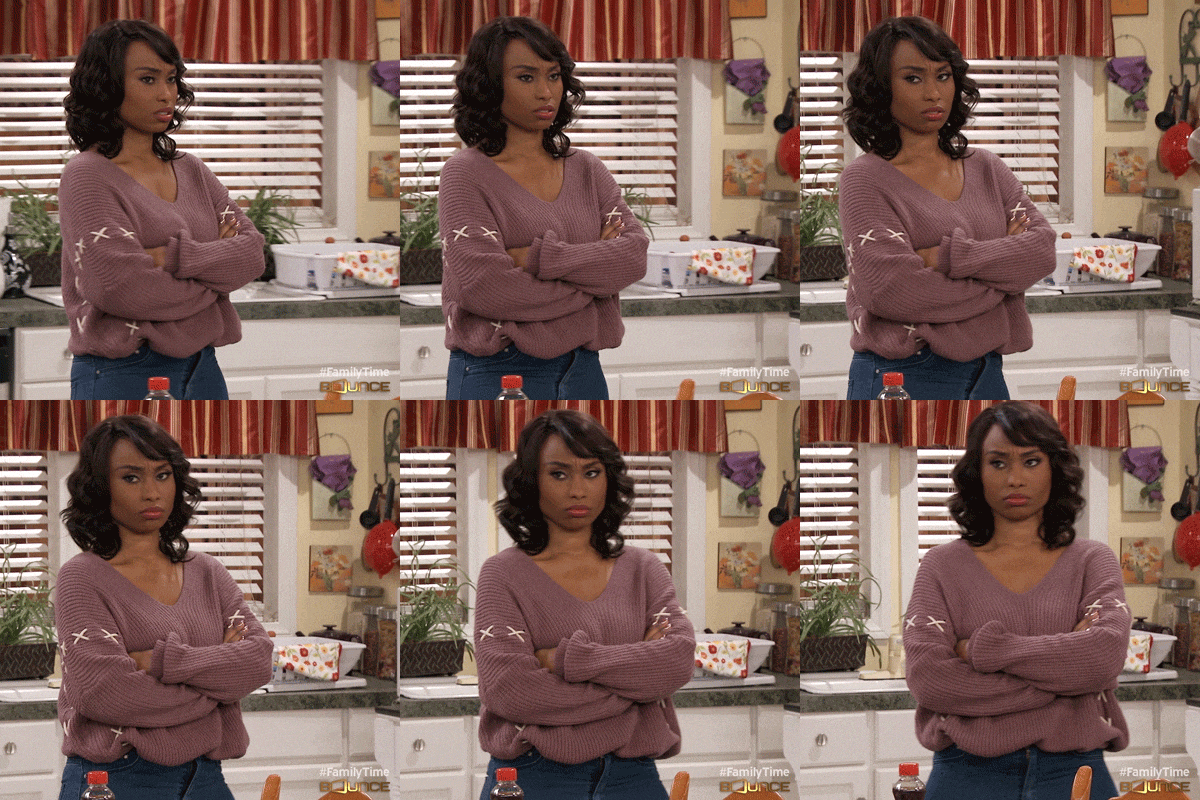
The hardest part about this scenario? The client isn't lying to you. They genuinely believe you agreed to the double oven.
Memory is not a recording; it's a reconstruction. Over a six-month project, clients can completely rewrite a budget conversation in their minds and have no idea they did it. Without documentation, you're dealing with two different versions of the truth.
And the one who pays for the ambiguity is always the dealer. |
|
|
The Chicken Scratch Problem
|
|
But it isn't just client memory that causes problems—it's your own notes, too. |
|
|
 |
|
|
|
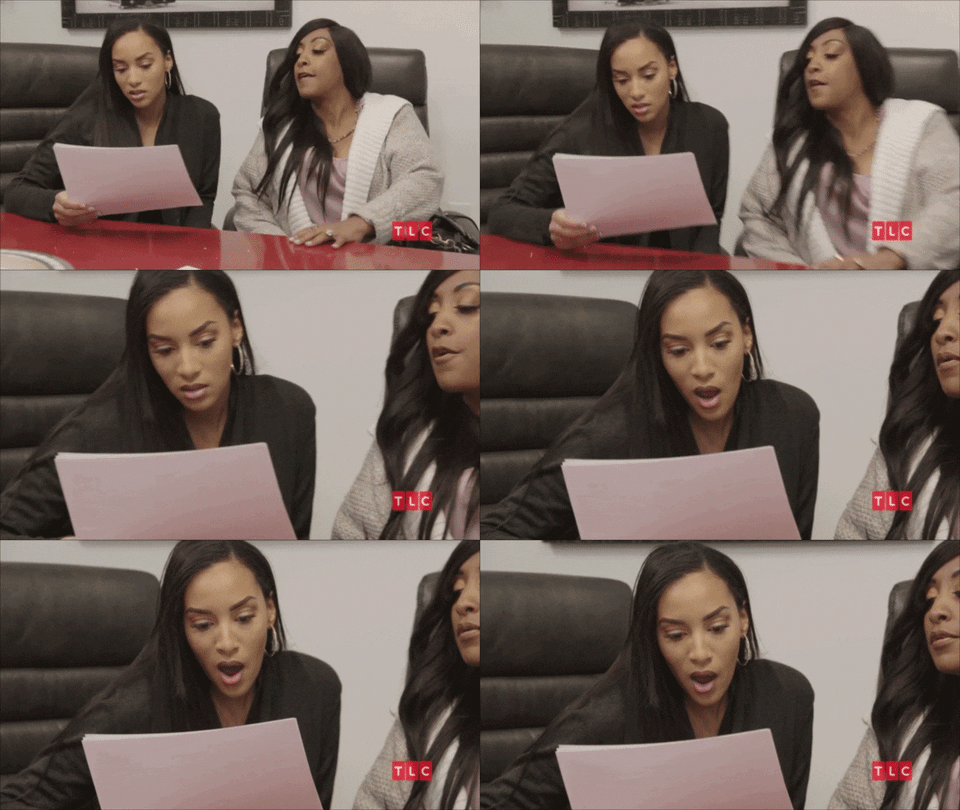
You pull out a notebook from a site measure you did three weeks ago. You're staring at a page that says "38¼" with an arrow pointing at a question mark.
Who even takes notes like that. Oh. You do.
You could call the GC, but that means admitting you don't know. |
|
|
|
|
One Fix for Both Traps |
|
The fix for both of these traps is a neutral witness.
|
 |
|
|
|
Get these insights in the latest episodes of the Elevated Podcast:
- 🎙️ Episode 7: The "Gaslighting" Client: How to protect yourself from client memory disputes without creating conflict.
- 🎙️ Episode 8: The Chicken Scratch Problem: Why handwritten job site notes fail you, and what to do instead.
|
| Listen and Subscribe Here |
|
|
|
|
|
When you grab the AI Note-taking Guide, you get a system to create a neutral witness for every project — so you stop paying for ambiguity and stop trying to decode your own shorthand. |
| Purchase the guide at cabinetnotes.com |
|
|
|
|